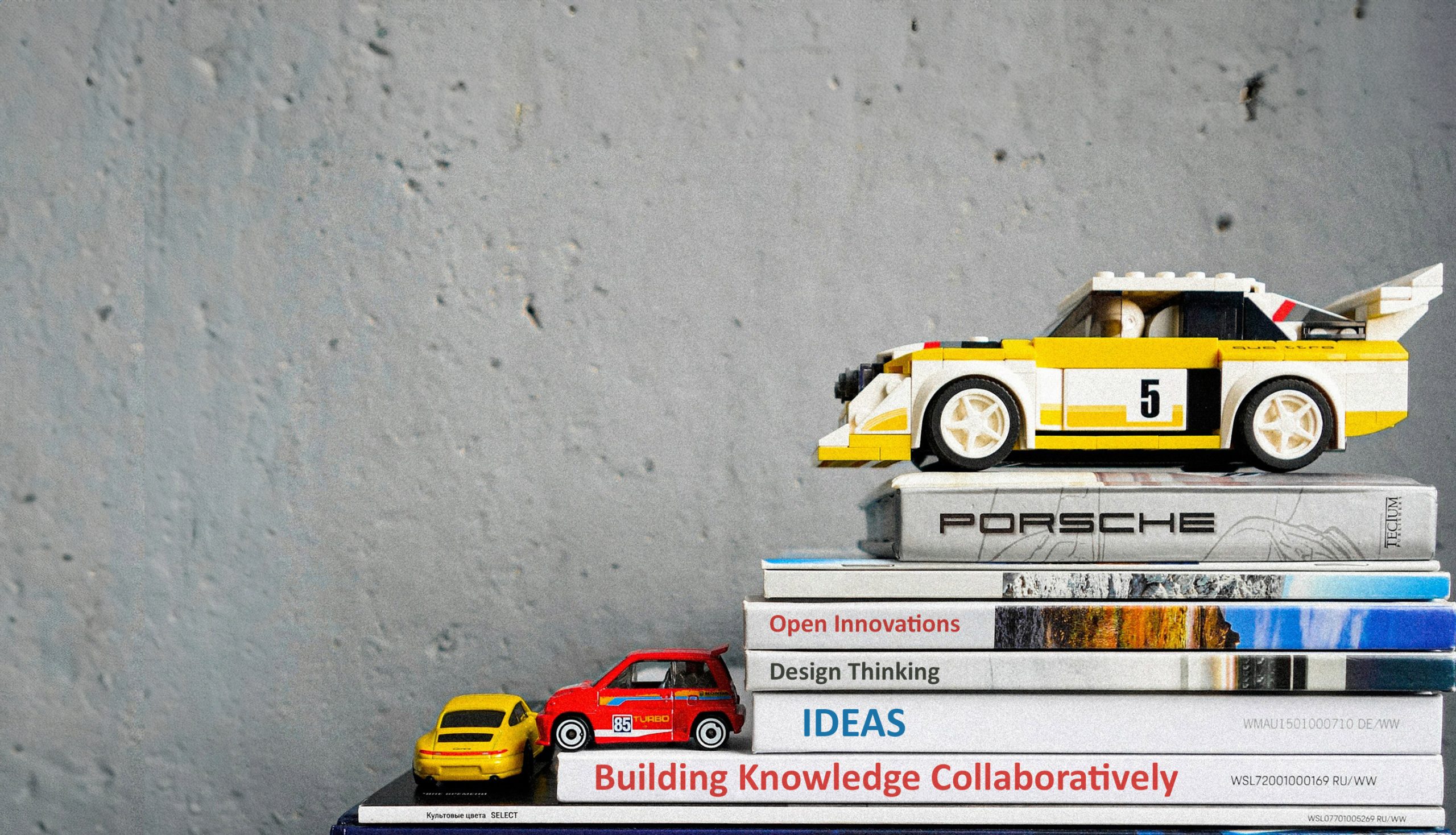
Idea Hub for PORSCHE Finance Group
The Power of Design Thinking and Idea Hubs in the Automotive Industry
The automotive industry is undergoing a rapid transformation, driven by digital advancements, evolving consumer expectations, and the need for innovative solutions. In this dynamic landscape, design thinking and idea hubs play a crucial role in shaping the future of mobility, financial services, and customer experiences.
Design thinking, a human-centered problem-solving approach, helps companies develop solutions that prioritize customer needs, foster innovation, and adapt swiftly to market changes. By embracing this methodology, automakers and finance groups can enhance the car-buying, financing, and ownership experience. The ability to create seamless, intuitive, and highly personalized services ensures businesses remain competitive in an ever-changing market.
An idea hub serves as a collaborative environment where creativity and experimentation thrive. It provides a space for professionals from different fields, such as designers, engineers, marketers, and finance experts, to exchange ideas, prototype solutions, and stay ahead of emerging trends. In the automotive finance sector, such hubs can lead to groundbreaking advancements in digital financing, subscription-based models, and AI-driven customer support, making financial services more efficient and accessible.
A key example of this forward-thinking approach is Porsche Finance Group, which provides car financing and insurance for brands such as Volkswagen, Audi, SEAT, Škoda, Volkswagen Autovehicule Comerciale, Porsche, and Das Weltauto. With a strong commitment to customer-centric solutions, Porsche Finance Group offers a ONE-STOP SHOP experience, allowing customers to purchase their desired vehicle through direct acquisition at the dealer, leasing or credit financing, car insurance, and effective fleet management.
To further drive innovation within the company, Porsche Finance Group launched a project aimed at fostering a workplace culture that encourages idea generation and knowledge sharing. The initiative focused on creating a transparent and motivating environment, where employees could contribute ideas freely under simple and fair guidelines. Participation in the program was entirely voluntary, emphasizing the intrinsic value of collaboration rather than material incentives. The project also introduced a comprehensive platform where all ideas and nominations could be collected, evaluated, and recognized in a structured and visible manner.
By integrating design thinking with an idea-driven culture, companies in the automotive industry can push the boundaries of innovation and transform their business models. This approach not only enhances operational agility but also strengthens customer satisfaction and unlocks new opportunities for growth. As the industry continues to evolve, embracing creativity and collaboration will be essential in shaping the next era of automotive excellence.